

CCL Injury in Dogs (Cruciate Ligament): Brace for Recovery and Support
A CCL injury — rupture or partial tear of the cranial cruciate ligament — is the most common orthopaedic condition in dogs. The CCL (equivalent to the human ACL) stabilises the stifle (knee) joint. Once damaged, the unstable joint causes immediate lameness, progressive cartilage damage, and meniscal injury. While surgical repair is the primary treatment for most dogs, custom orthotic stifle braces are used for post-surgical rehabilitation, conservative management in non-surgical candidates, and short-term stabilisation pending surgery.
What Is a CCL Injury in Dogs?
The cranial cruciate ligament (CCL) prevents the tibia from sliding forward relative to the femur during weight-bearing. Unlike traumatic ligament injuries in humans, canine CCL rupture is typically a degenerative process — the ligament weakens progressively over months to years until it partially or fully tears. Risk factors include breed (Labrador, Rottweiler, Bulldog, Boxer), obesity, lack of conditioning, and tibial anatomy (steeper tibial plateau angle).
Signs of CCL injury include sudden hind limb lameness, toe-touching or non-weight-bearing, stifle effusion (fluid), and a positive cranial drawer or tibial thrust test on examination. Diagnosis is confirmed by orthopaedic examination and radiography; MRI may be used to assess partial tears and meniscal damage.
Can a Stifle Brace Replace CCL Surgery?
In most dogs, surgery is strongly recommended. Surgical options including TPLO (tibial plateau levelling osteotomy) and TTA (tibial tuberosity advancement) change the biomechanics of the stifle to eliminate cranial thrust, and have high long-term success rates. A stifle brace alone cannot provide the same level of functional joint stabilisation as these procedures.
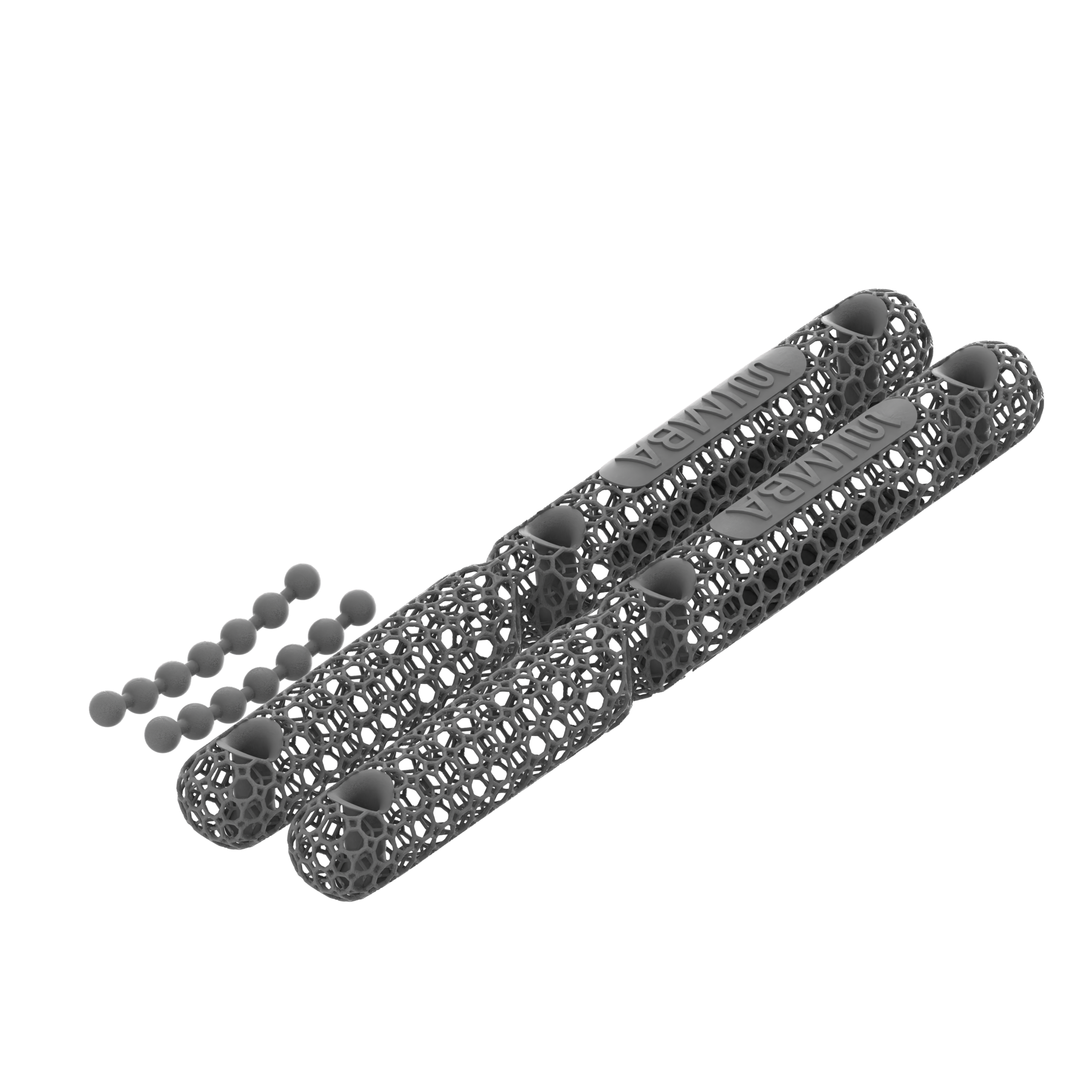
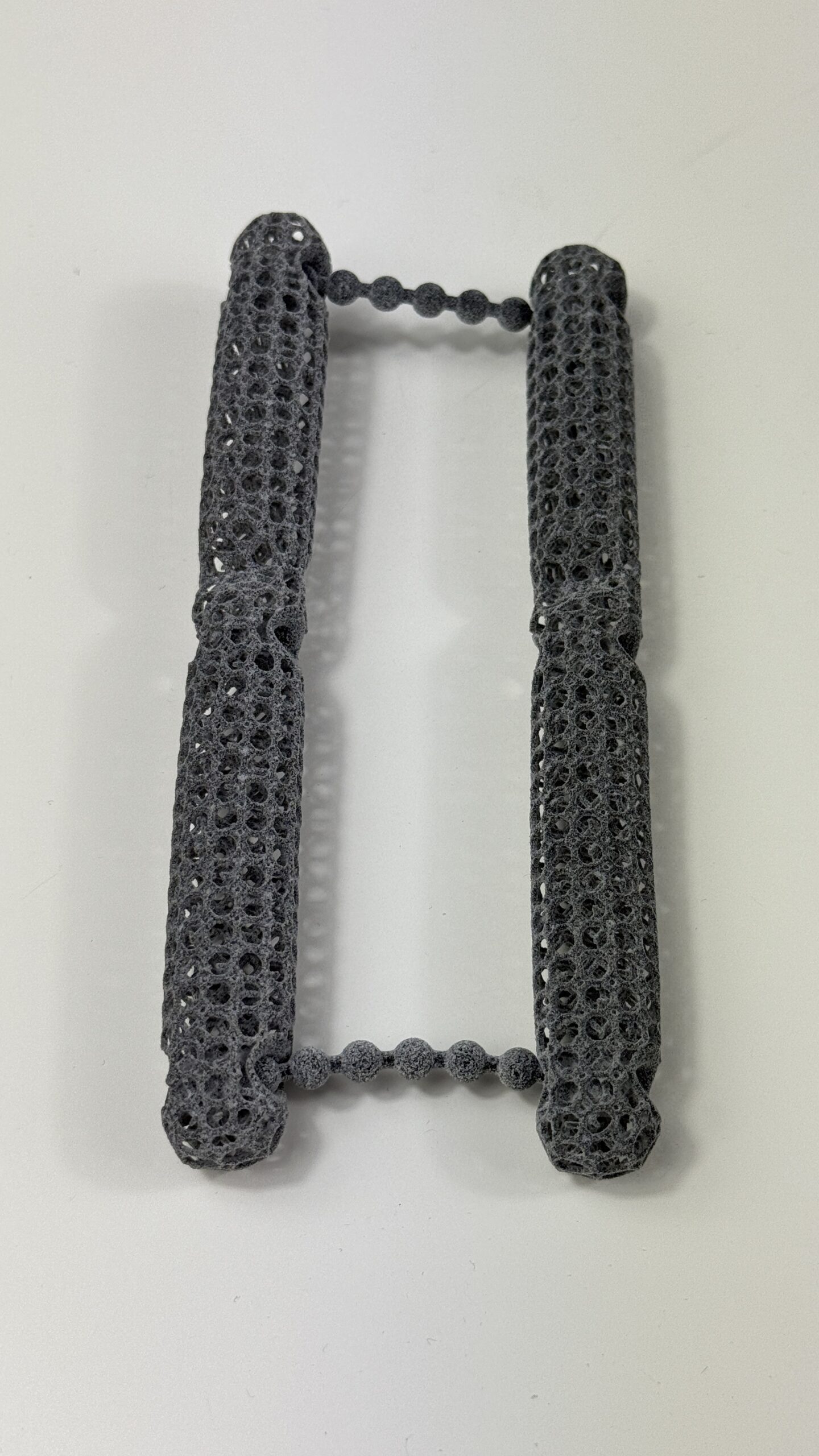
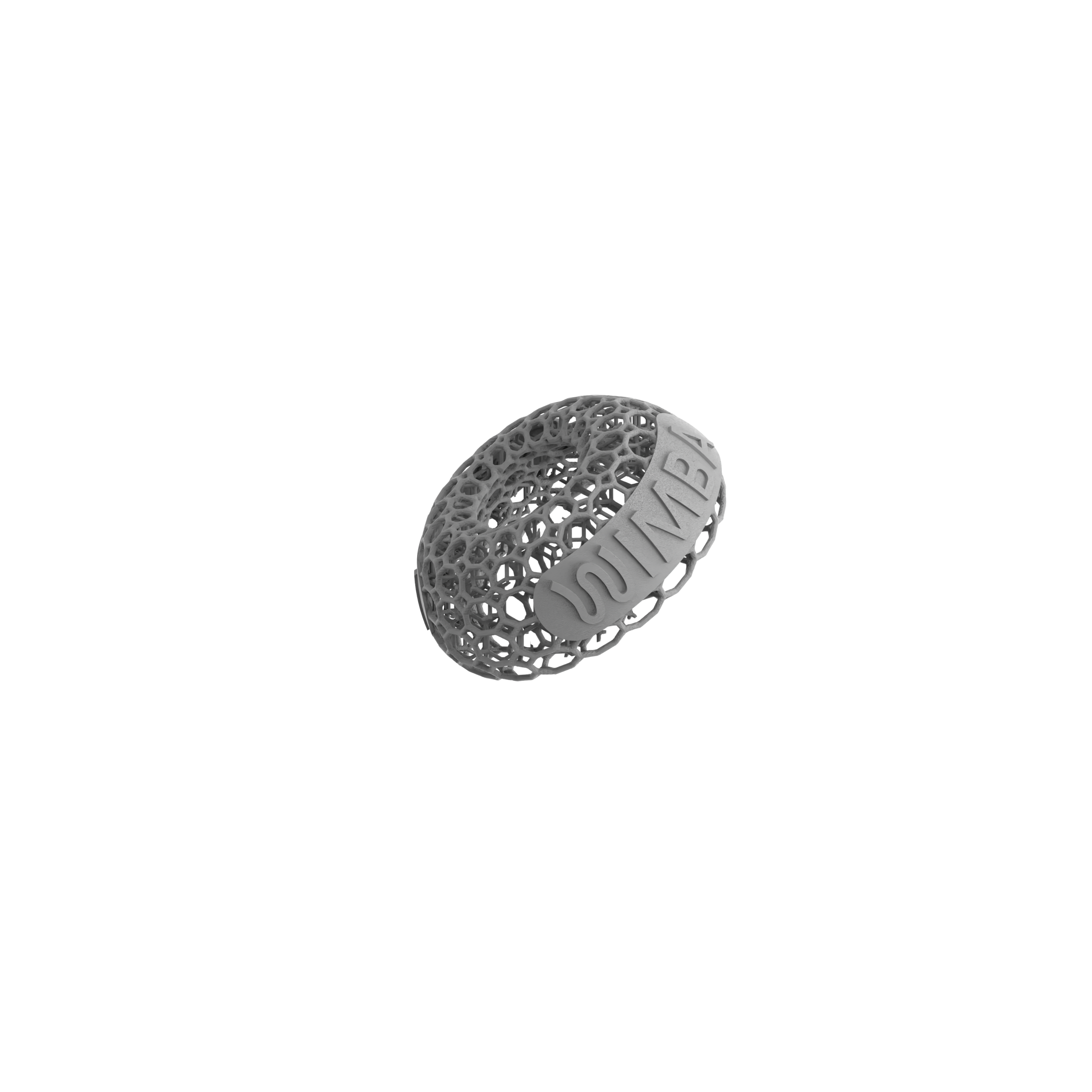
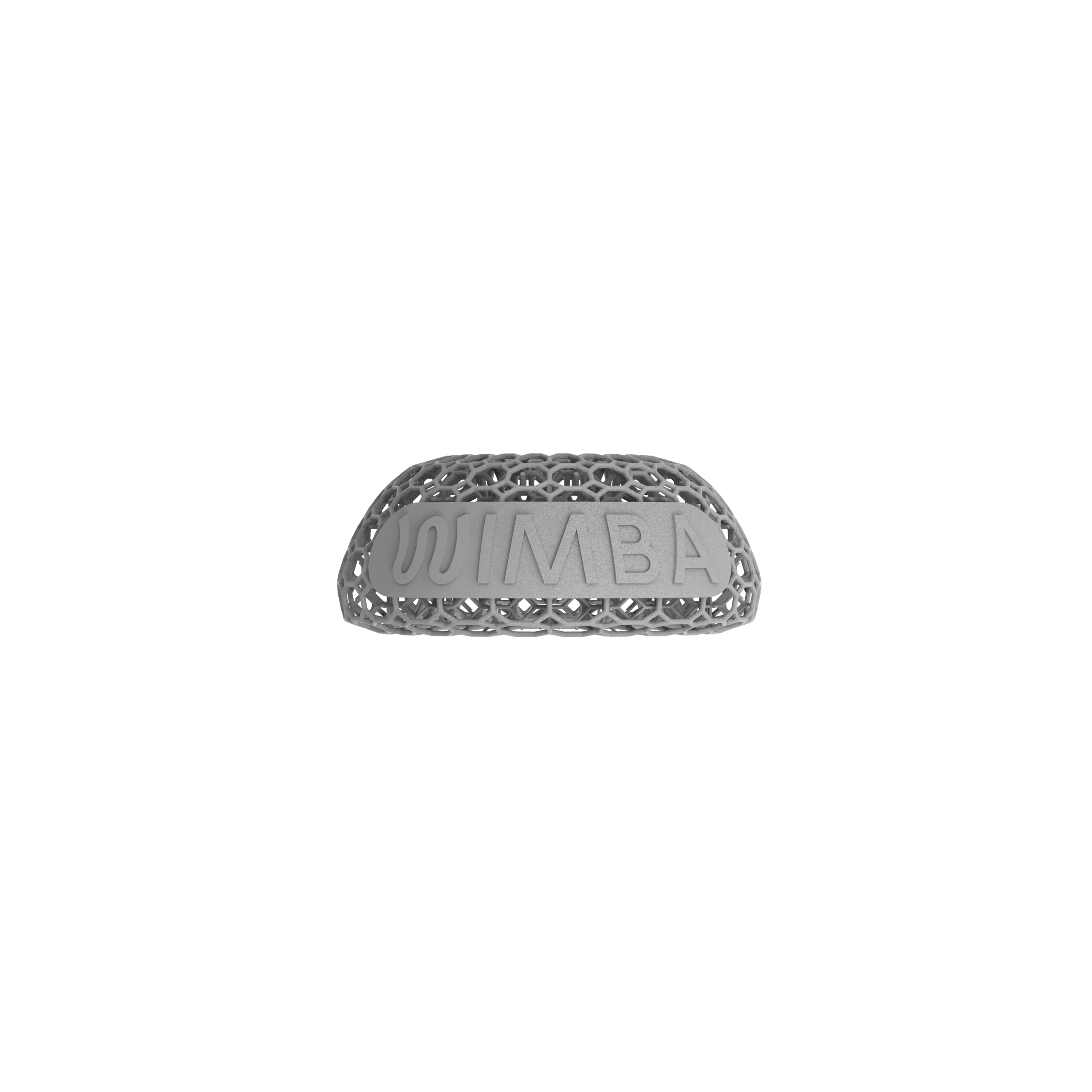
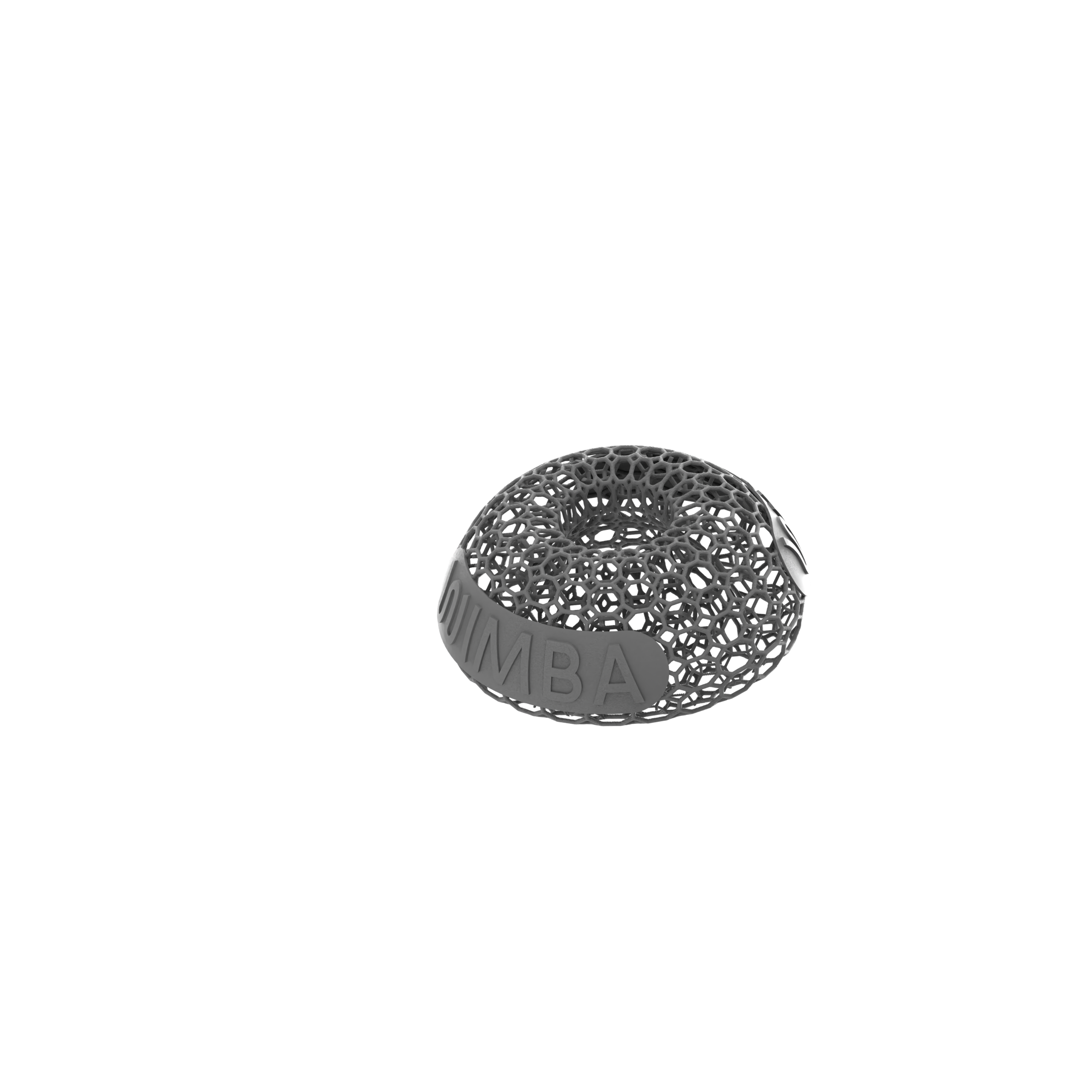
However, a custom WIMBA stifle orthosis has a defined role in:
- Post-surgical rehabilitation — controlled loading during recovery from TPLO, TTA, or lateral suture techniques
- Conservative management — for small dogs (<15 kg) where conservative treatment has comparable outcomes, or for dogs not suitable for surgery due to age, concurrent disease, or owner preference
- Short-term stabilisation — while awaiting surgery, to maintain limited weight-bearing and reduce discomfort
- Contralateral support — supporting the opposite leg during post-TPLO recovery, as 40–60% of dogs develop CCL disease bilaterally
| Situation | Primary Treatment | Role of Custom Stifle Brace |
|---|---|---|
| Complete CCL rupture, medium/large dog | Surgery (TPLO or TTA) | Post-surgical orthopaedic support during rehab |
| Partial CCL tear | Surgical consultation; conservative trial in small dogs | Custom stifle brace to limit tibial thrust during conservative management |
| Complete rupture, small dog (<15 kg) | Conservative or surgical — both viable | Custom stifle orthosis as primary conservative support |
| Post-TPLO contralateral leg | Weight management and monitoring | Prophylactic or supportive custom brace for opposite stifle |
Does your dog have a CCL injury and need a custom stifle brace?
A WIMBA-certified vet can assess your dog’s stifle and recommend the right orthotic support for recovery or conservative management.
Find a WIMBA Provider →Frequently Asked Questions: CCL Injury in Dogs
What is a CCL injury in dogs?
A CCL (cranial cruciate ligament) injury is a rupture or partial tear of the ligament that stabilises the dog’s stifle (knee) joint. Unlike human ACL injuries, which are typically traumatic, canine CCL injuries are usually degenerative — the ligament weakens progressively until it fails. CCL disease is the most common orthopaedic diagnosis in dogs. Signs include sudden hind limb lameness, stifle swelling, and a positive cranial drawer test on examination.
What is the best brace for a dog with a torn CCL?
The best stifle brace for CCL injury is a custom-fitted orthopaedic stifle orthosis that limits tibial thrust and provides controlled joint support. Generic neoprene sleeves do not provide adequate stifle stabilisation for CCL disease. WIMBA custom stifle orthoses are made individually from limb measurements or 3D scan data and are prescribed by certified veterinary providers. They are most commonly used for post-surgical rehabilitation or conservative management in small dogs.
Is surgery necessary for a dog with a CCL rupture?
For medium and large dogs with complete CCL rupture, surgery (typically TPLO or TTA) is strongly recommended and has consistently better long-term outcomes than conservative management. Small dogs (<15 kg) with complete CCL rupture can achieve acceptable functional recovery with strict conservative management and a custom stifle orthosis. A veterinary orthopaedic surgeon should assess each dog individually.
Can a dog with a CCL injury avoid surgery with a brace?
In large dogs, a brace alone does not adequately stabilise the stifle and does not prevent progressive joint damage, meniscal injury, or osteoarthritis. Surgery is the standard of care for large dogs. In small dogs, conservative management with a well-fitted stifle orthosis, strict rest, and physiotherapy can be a viable alternative to surgery. The decision should always be made by a veterinary orthopaedic specialist based on the dog’s size, severity of injury, and clinical findings.
How common is CCL disease in dogs, and what breeds are most at risk?
CCL disease accounts for approximately 85% of all hind limb lameness diagnoses in dogs. High-risk breeds include Labrador Retrievers, Rottweilers, Boxers, English Bulldogs, Staffordshire Bull Terriers, Newfoundlands, and Mastiffs. Obesity, steep tibial plateau angle, hormonal status (neutered dogs have a higher risk), and lack of fitness all contribute to risk. Dogs that rupture one CCL have a 40–60% chance of rupturing the contralateral CCL within 2 years.
How do I get a custom stifle brace for my dog after TPLO or TTA?
Contact a WIMBA-certified veterinary provider. They will take limb measurements or a 3D scan of your dog’s affected limb and order a custom WIMBA stifle orthosis. Post-surgical bracing is typically prescribed by the operating surgeon or rehabilitation specialist as part of the recovery protocol. Use the WIMBA Provider Map to find a clinic near you.