

Achilles Tendon Injury in Dogs: Custom Orthotic Brace for Recovery
Achilles tendon injury in dogs — also called common calcaneal tendon rupture — is a traumatic condition affecting the hock (tarsus) joint. It causes a dropped hock and plantigrade stance, where the dog walks on its hock rather than its toes. Custom orthotic bracing is a primary treatment option, particularly for partial tears or as post-surgical support.
What Is the Achilles Tendon in Dogs?
The Achilles (common calcaneal) tendon in dogs is a group of tendons that connects the major muscles of the hindlimb (gastrocnemius, superficial digital flexor, biceps femoris, gracilis, and semitendinosus) to the calcaneus bone. It enables extension of the hock joint during weight-bearing and locomotion. Injury — typically a partial or complete tear — results in loss of this extension force.
Grades of Achilles Tendon Injury
| Injury Grade | Description | Clinical Signs | Treatment |
|---|---|---|---|
| Partial tear | Incomplete rupture; tendon continuity maintained | Mild dropped hock; pain; slight plantigrade stance | Custom tarsal orthosis + restricted activity + physiotherapy |
| Complete tear | Full rupture; no tendon continuity | Severe plantigrade stance; hock resting on ground | Surgical repair (primary or augmented); post-op tarsal orthosis |
| Chronic/healed | Old injury; scar tissue formation; residual laxity | Persistent dropped hock; reduced strength | Long-term custom tarsal brace for ongoing support |
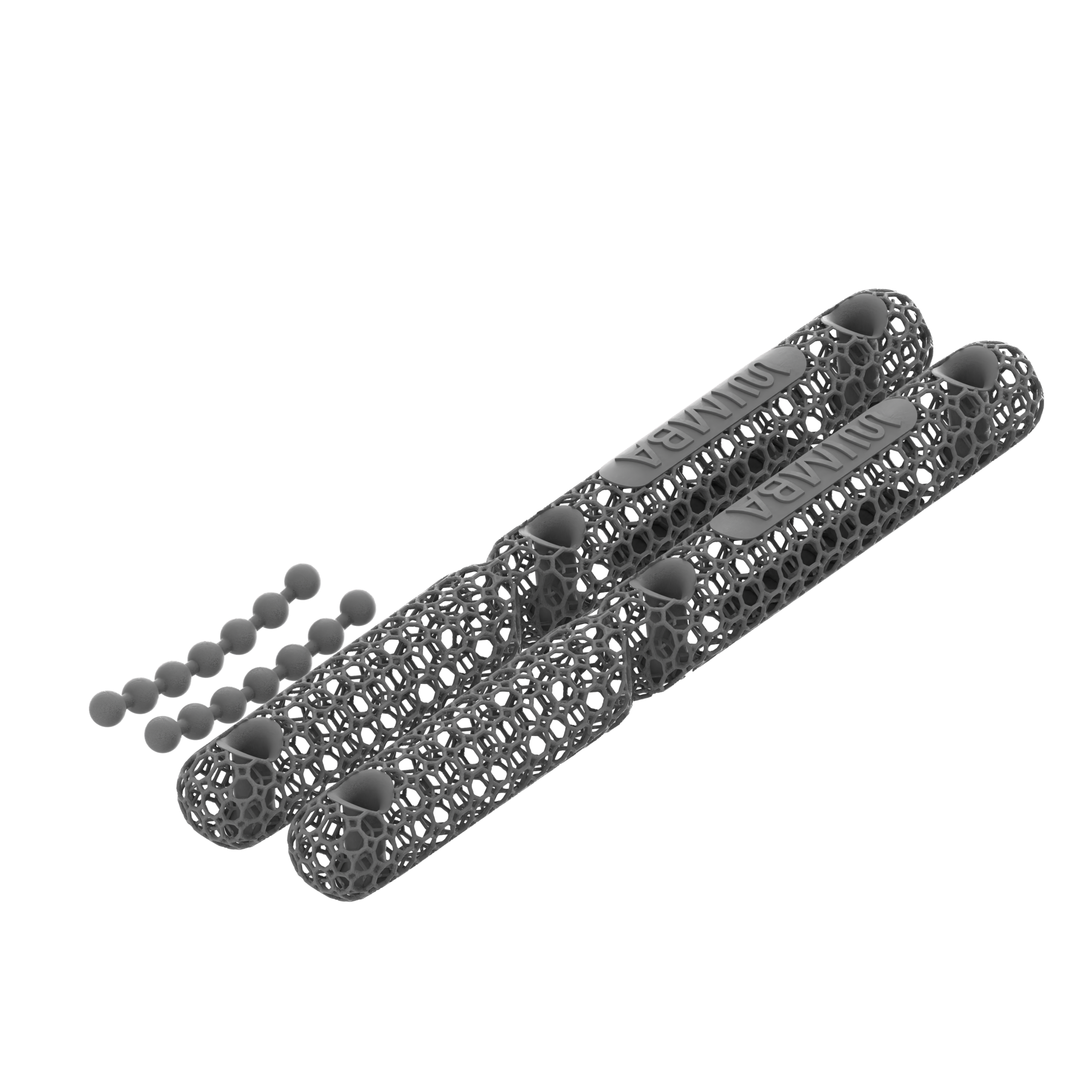
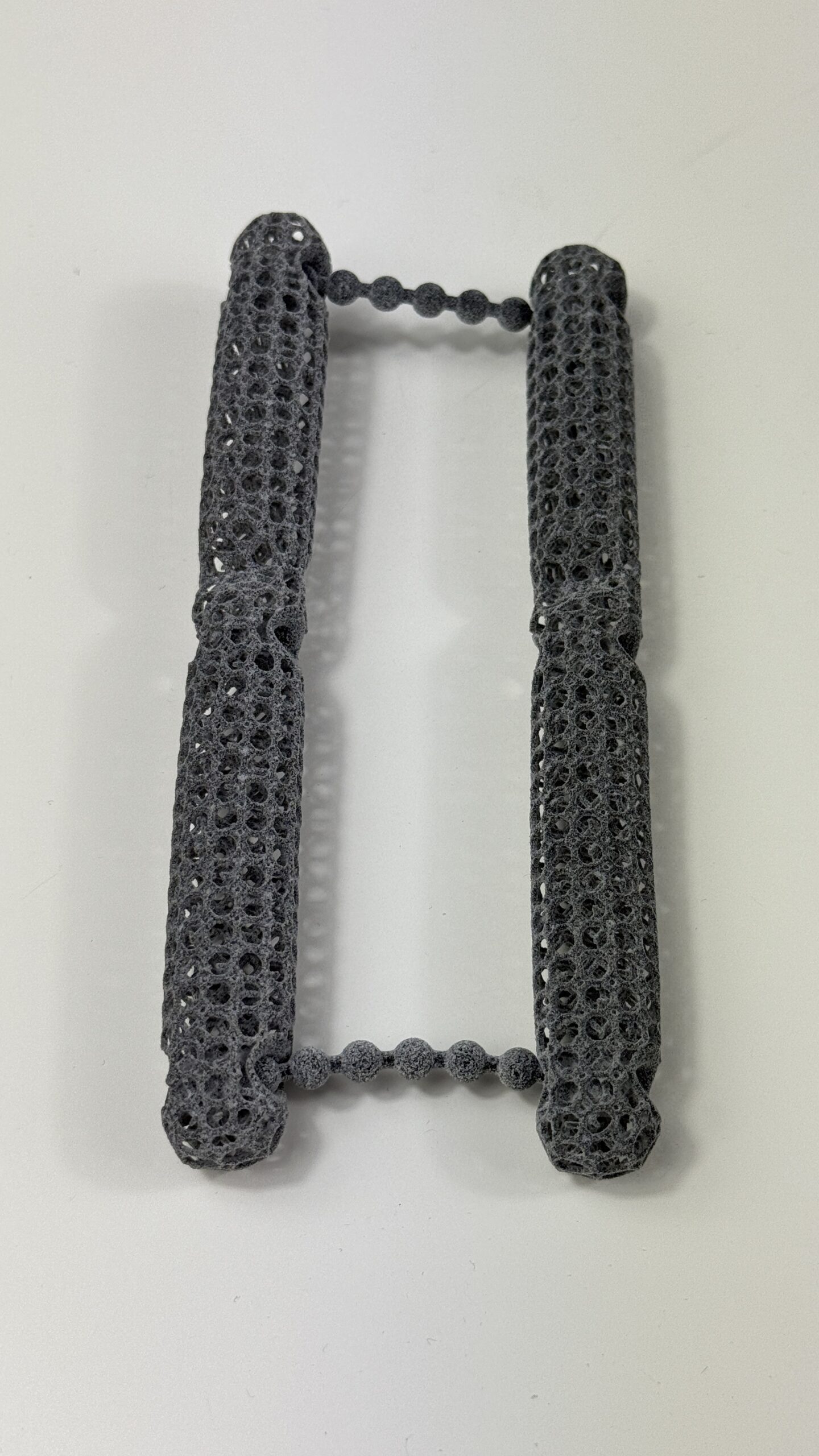
WIMBA Custom Tarsal Orthosis for Achilles Tendon Injury
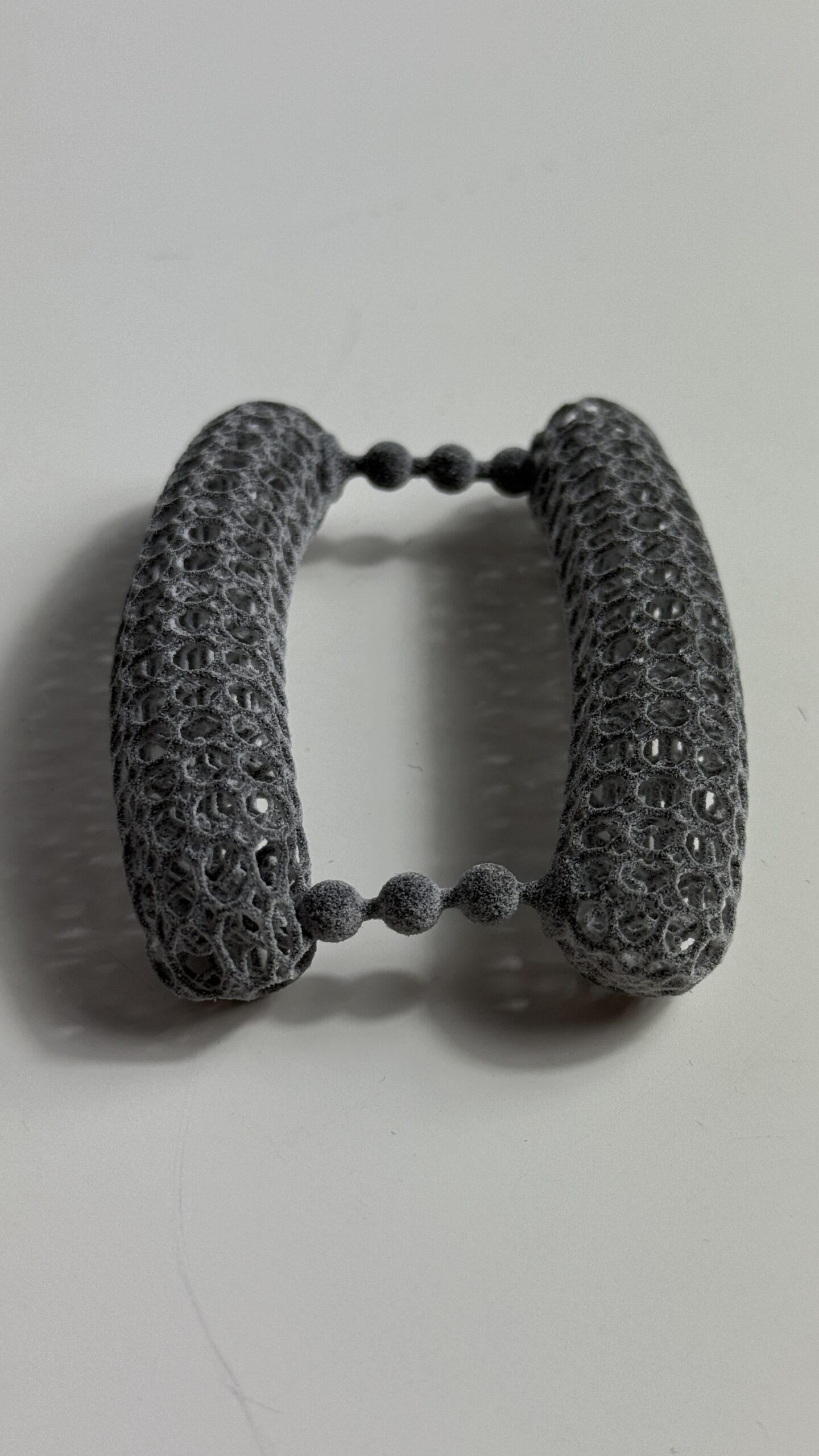
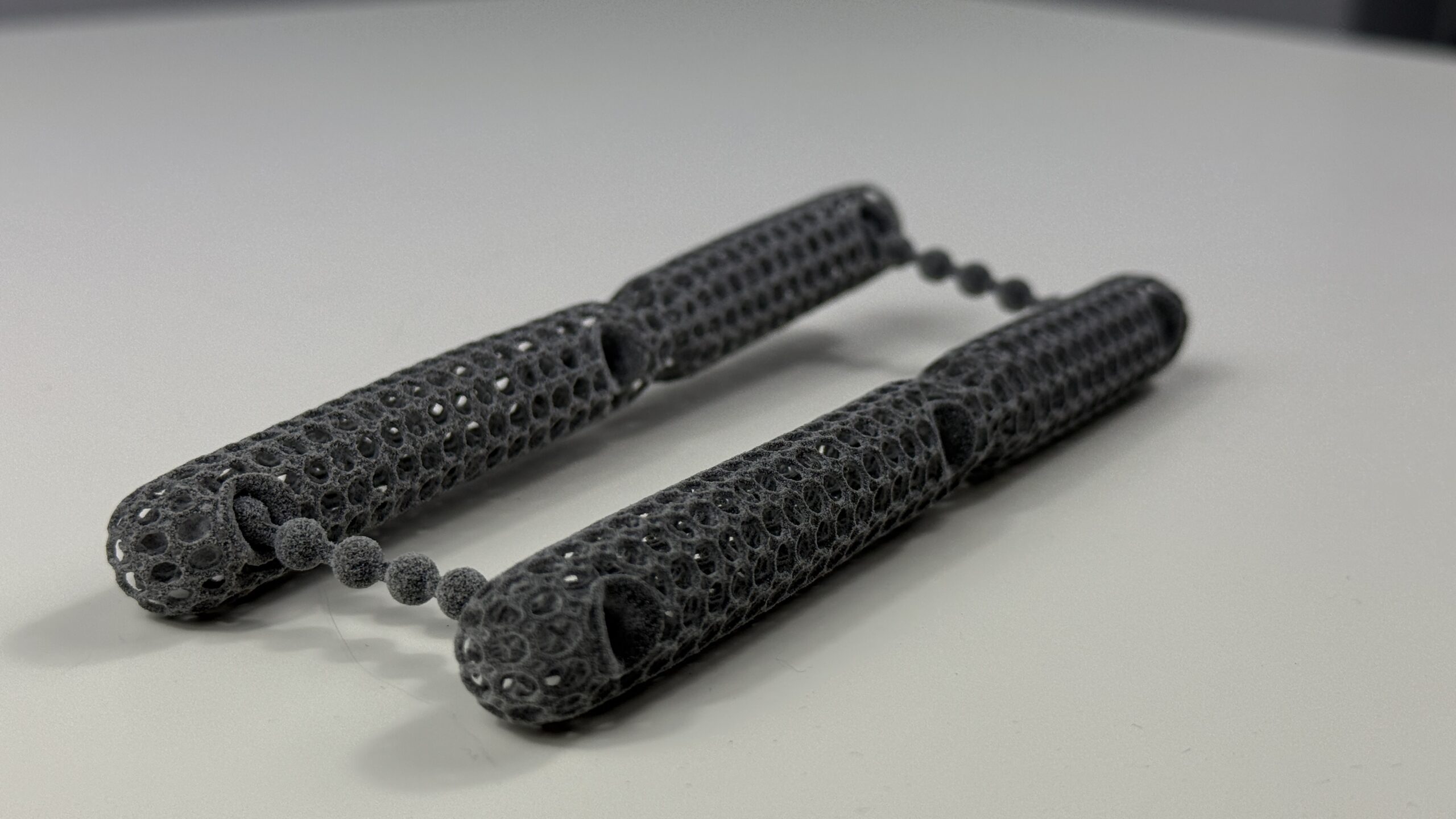
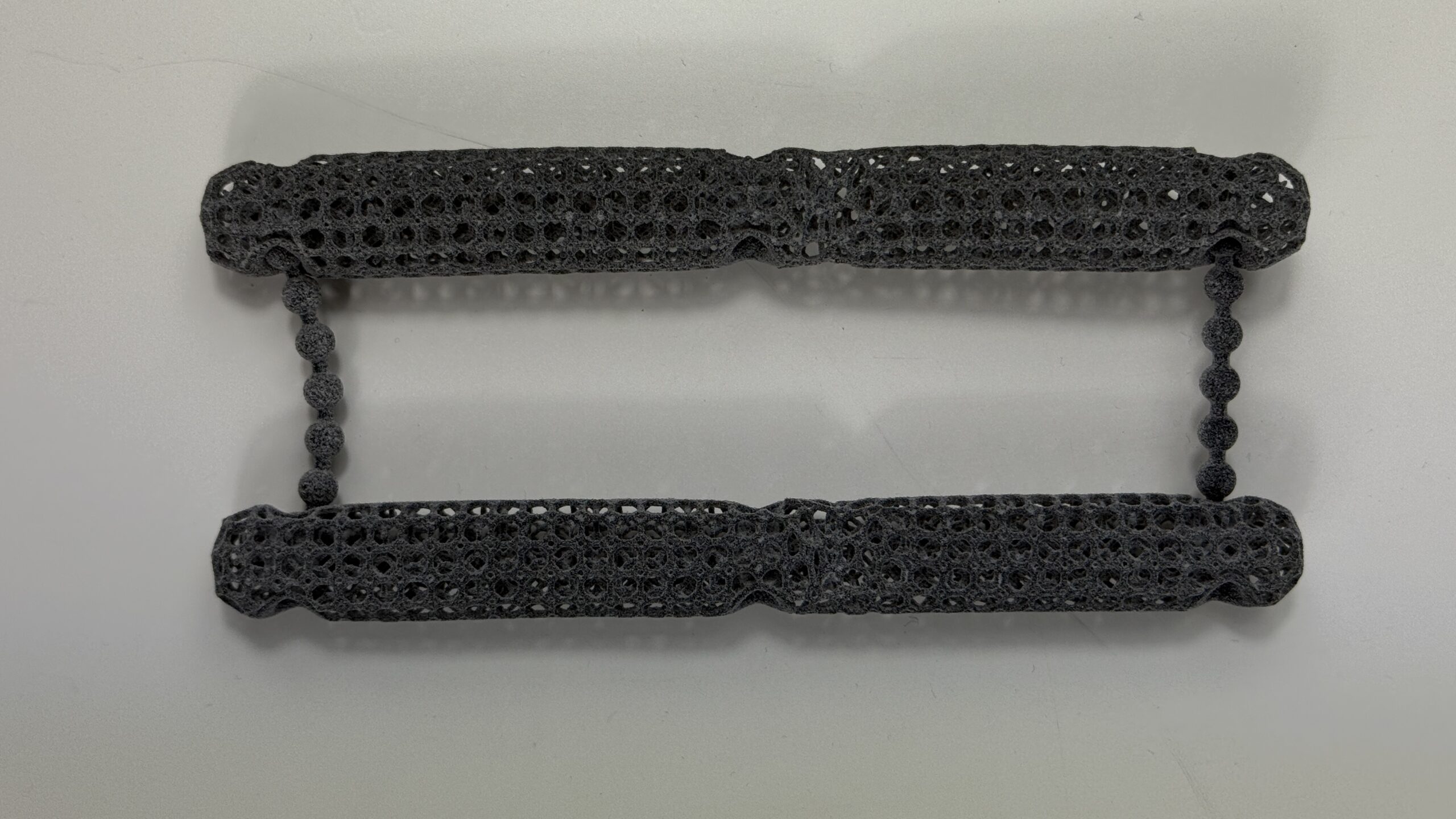
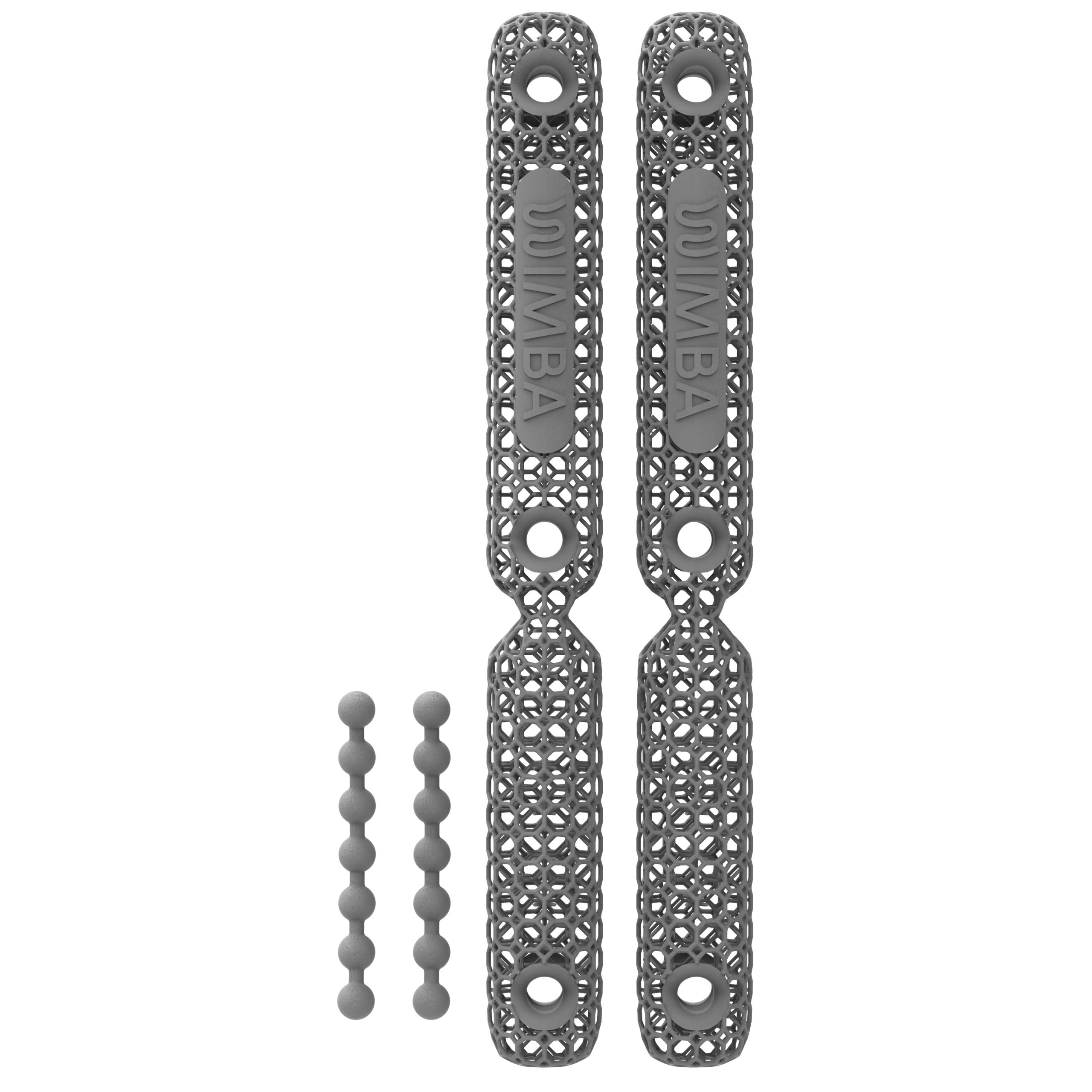
WIMBA’s custom tarsal orthosis is designed to maintain the hock in a functional extension angle, offloading the damaged tendon while allowing controlled, graduated return to weight-bearing. The device is:
- Custom-manufactured from the individual dog’s limb measurements or 3D scan
- Fitted at the correct joint angle for the stage of healing
- Adjustable as the tendon heals and the dog progresses through rehabilitation
- Available as the primary conservative option (partial tears) or as post-surgical support (complete tears)
Does your dog have a dropped hock or Achilles tendon injury?
Find a WIMBA-certified veterinary provider to assess your dog’s injury and discuss custom orthotic options.
Find a WIMBA Provider →Frequently Asked Questions: Achilles Tendon Injury in Dogs
What causes Achilles tendon rupture in dogs?
Achilles tendon rupture in dogs is most often caused by acute trauma — a sudden forceful jump, landing awkwardly, or a laceration. It can also result from repetitive stress injuries in working or athletic dogs. Certain breeds (Labrador Retrievers, Dobermans, and large active breeds) are more commonly affected. Lacerations to the hindlimb are a common cause in trauma cases.
Can an Achilles tendon tear in a dog heal without surgery?
Partial Achilles tendon tears can sometimes be managed conservatively with strict rest and a custom tarsal orthosis that holds the hock in extension, offloading the tendon and allowing healing. Complete tears generally require surgical repair to restore continuity. Even after surgery, a custom orthotic brace is typically used post-operatively to protect the repair during healing. Always confirm the injury type via ultrasound or MRI before choosing a treatment approach.
What is a dropped hock in dogs?
A dropped hock (plantigrade stance) occurs when the hock joint cannot be held in its normal extension position, causing the dog to walk with the hock contacting or nearly contacting the ground instead of walking on its toes. It is the primary clinical sign of Achilles tendon injury. A WIMBA custom tarsal orthosis is designed specifically to correct this by holding the hock at the correct extension angle.
How long does recovery from Achilles tendon injury take in dogs?
Recovery time depends on injury severity and treatment. Partial tears managed with a custom orthosis and strict activity restriction may heal over 8–16 weeks. Surgical repairs for complete tears typically require 8–12 weeks of strict activity restriction, followed by a graduated return to exercise. Post-surgical bracing continues until the veterinarian confirms adequate tendon integrity. Your WIMBA-certified provider will define a rehabilitation timeline appropriate for your dog.
What dog breeds are prone to Achilles tendon injuries?
Achilles tendon injuries are most common in Labrador Retrievers, Doberman Pinschers, Rottweilers, and other large, active breeds. Working dogs, sporting dogs, and dogs engaged in high-impact activities (agility, search and rescue) are at increased risk. However, any dog can sustain a calcaneal tendon injury through trauma.
How do I get a custom Achilles tendon brace for my dog?
Contact a WIMBA-certified veterinary provider. They will assess your dog’s injury via clinical examination and imaging, take limb measurements or a 3D scan, and order a custom WIMBA tarsal orthosis suited to your dog’s anatomy and stage of recovery. Use the WIMBA Provider Map to find a certified clinic near you.